Exclusive Offer: Enjoy Free CARA
Understanding and Managing Anxiety for Better Well Being
Anxiety is a natural response to stress, but when it becomes persistent it can affect daily functioning and emotional balance. At MeTime Healing we support individuals in understanding anxiety triggers, developing effective coping strategies, and building resilience through evidence based supportive approaches, mindfulness practices, and emotional regulation skills.
Practical Strategies to Navigate Anxiety and Build Resilience
Managing anxiety involves recognizing the interaction between thoughts, emotions, and physical responses. Through provider counseling and personalized care, MeTime Healing helps individuals reduce anxious reactions, strengthen coping skills, and improve emotional stability for everyday life.
Uncertainty Anxiety
Uncertainty can trigger anxiety, leaving you feeling stuck. We provide tools and personalized care to help you navigate the unknown with confidence.
Loneliness Anxiety
We offer compassionate care to help you build connections, rediscover joy, and overcome loneliness anxiety.
Future Anxiety
Our team specializes in helping you manage future anxiety by fostering mindfulness and building strategies for a brighter tomorrow.
Moving Anxiety
Whether you are moving to a new city or country, our providers are trained to help you ease moving anxiety and adjust smoothly.
Expat Anxiety
Our culturally sensitive providers understand the unique struggles of expat anxiety and offer support tailored to your journey.
4.9
Avarage Rating
At MeTime Healing, we understand that anxiety, whether triggered by climate change concerns or general life stressors, can be overwhelming. Our specialized services are designed to support your mental, emotional, and physical well-being, helping you find peace and balance in these challenging times.
Why Choose MeTime Healing for Managing Anxiety?

Personalized Care

Holistic Approach

Experienced Practitioners

Convenient and Accessible
Our Services
Counseling and Support: Access provider counseling services to navigate challanges of life and build emotional strength.

Addressing Climate Anxiety
Climate Anxiety Workshops: Participate in group sessions focused on understanding and managing climate-related stress.
Eco-Wellness: Engage in nature-based practices to reconnect with the environment and find solace.
Resilience Building: Learn strategies to build mental and emotional resilience in the face of climate uncertainty.
Understanding Anxiety: Types, Causes, and Effective Management
Explore the different types of anxiety, learn about evidence-based treatments, and discover practical strategies for managing anxiety in daily life.
What Is Anxiety? Understanding the Difference Between Normal and Disordered Anxiety
Anxiety is a natural human emotion that everyone experiences. It's your body's alarm system, alerting you to potential threats and preparing you to respond. Feeling anxious before a job interview, first date, or important presentation is completely normal and can even be helpful by sharpening your focus and motivation.
However, anxiety becomes a disorder when it's excessive, persistent, and interferes with daily life. Anxiety disorders involve worry that's disproportionate to the actual threat, lasts for extended periods (typically 6 months or more), and causes significant distress or impairment in work, relationships, or other important areas of functioning.
Anxiety disorders are the most common mental health conditions worldwide, affecting approximately 284 million people globally. In the United States, about 31% of adults experience an anxiety disorder at some point in their lives. The good news? Anxiety disorders are highly manageable, with most people experiencing significant improvement through personalized care, lifestyle changes, or a combination of approaches.
Types of Anxiety Disorders
Generalized Anxiety Disorder (GAD)
Persistent, excessive worry about various aspects of life (work, health, family, finances) that's difficult to control. Physical symptoms include restlessness, fatigue, muscle tension, and sleep problems.
Social Anxiety Disorder
Intense fear of social situations where you might be judged, embarrassed, or humiliated. Leads to avoidance of social interactions and can significantly impact relationships and career opportunities.
Panic Disorder
Recurrent, unexpected panic attacks (sudden surges of intense fear with physical symptoms like rapid heartbeat, sweating, trembling). Often accompanied by fear of future attacks and avoidance of situations where attacks have occurred.
Specific Phobias
Intense, irrational fear of specific objects or situations (heights, flying, spiders, needles). The fear is out of proportion to actual danger and leads to avoidance that interferes with normal activities.
What Causes Anxiety? A Multifaceted Understanding
Anxiety disorders develop through a complex interaction of biological, psychological, and environmental factors. Understanding these causes helps reduce self-blame and guides effective treatment:
Genetic Factors
Anxiety disorders run in families. If you have a first-degree relative with an anxiety disorder, you're 4-6 times more likely to develop one. However, genetics aren't destiny—they create vulnerability, not certainty.
Brain Chemistry
Imbalances in neurotransmitters (serotonin, GABA, norepinephrine) affect mood regulation and anxiety levels. The amygdala (fear center) may be overactive, while the prefrontal cortex (rational thinking) may be underactive.
Childhood Experiences
Traumatic events, abuse, neglect, or growing up with anxious parents can increase anxiety risk. Overprotective parenting that prevents children from learning to cope with challenges can also contribute.
Personality Traits
Certain temperaments are more anxiety-prone: behavioral inhibition (shyness), neuroticism (tendency toward negative emotions), perfectionism, and need for control increase vulnerability.
Life Stressors
Major life changes, chronic stress, trauma, health problems, or substance use can trigger or worsen anxiety. Even positive changes (marriage, new job, moving) can be anxiety-provoking.
Medical Conditions
Thyroid problems, heart conditions, respiratory disorders, and hormonal imbalances can cause or mimic anxiety symptoms. Always rule out medical causes with your doctor.
Evidence-Based Treatments for Anxiety Disorders
Multiple effective approaches exist for anxiety disorders. The best path often combines personalized care, lifestyle changes, and sometimes medication:
Cognitive Behavioral Approach
A gold standard approach for anxiety. It helps you identify and challenge anxious thoughts, develop coping strategies, and gradually face feared situations. Highly effective with lasting results.
60-80% of people experience significant improvement
Gradual Exposure Practice
A component of the cognitive behavioral approach where you gradually face feared situations in a safe, controlled way. This helps your brain learn that the feared outcome is unlikely and that you can tolerate anxiety.
Particularly effective for phobias and panic disorder
Mindfulness-Based Practices
Mindfulness-Based Stress Reduction and Acceptance and Commitment practices teach you to observe anxious thoughts without judgment and accept uncomfortable feelings rather than fighting them.
Reduces anxiety symptoms by 30-40% on average
Medication
SSRIs, SNRIs, and benzodiazepines can help manage anxiety symptoms. Most effective when combined with personalized care. Work with a psychiatrist to find the right medication and dosage for you.
Best results when combined with personalized care
Daily Strategies for Managing Anxiety
While provider treatment is important, these evidence-based self-care strategies can significantly reduce anxiety:
Practice Deep Breathing
4-7-8 breathing: Inhale for 4 counts, hold for 7, exhale for 8. This activates your parasympathetic nervous system, counteracting the fight-or-flight response.
Exercise Regularly
30 minutes of moderate exercise most days reduces anxiety as effectively as medication for some people. Exercise burns off stress hormones and releases endorphins.
Limit Caffeine and Alcohol
Caffeine can trigger anxiety and panic attacks. Alcohol may provide temporary relief but worsens anxiety long-term and disrupts sleep.
Prioritize Sleep
Aim for 7-9 hours nightly. Poor sleep significantly increases anxiety. Maintain consistent sleep/wake times, even on weekends.
Challenge Anxious Thoughts
Ask: What's the evidence for this worry? What's the worst that could happen? How likely is it? What would I tell a friend?
Practice Progressive Muscle Relaxation
Systematically tense and relax muscle groups from head to toe. This releases physical tension and teaches your body to relax on command.
Maintain Social Connections
Isolation worsens anxiety. Regular contact with supportive friends and family provides perspective, emotional support, and distraction from worries.
Schedule Worry Time
Set aside 15 minutes daily for worrying. When anxious thoughts arise at other times, postpone them to your worry time. This contains anxiety.
Related Mental Health Resources
Take our assessment tests to better understand your specific anxiety symptoms and get personalized recommendations:
0+
Languages spoken by our providers
0%
Of clients feel culturally understood
$0
Per session — cancel anytime
0h
Average time to first session
How It Works?Start your journey in three simple steps.
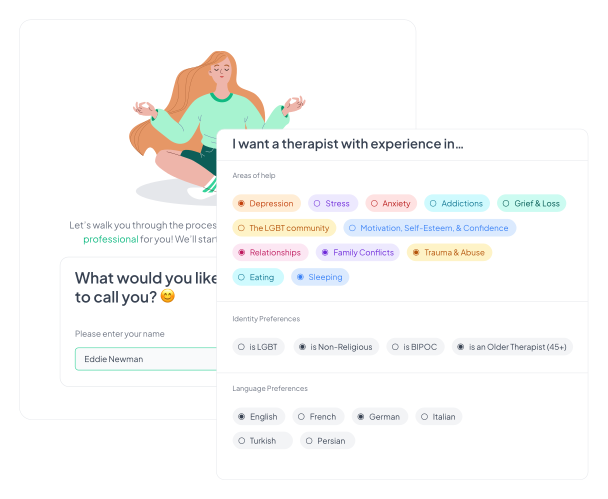
How does the pairing to the best Care Provider work?
Answer a few questions to find a compassionate Care Provider who fits your needs and preferences. Tap into a large network of licensed mental health provider by using our unique algorithm. We will find the best provider for you.
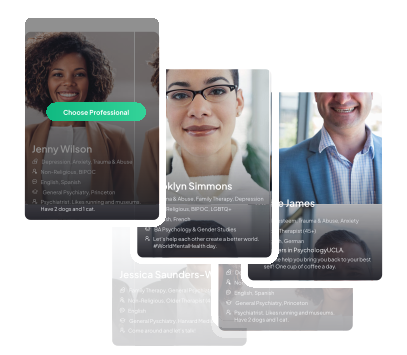
Choose your Care Provider
MeTime will present you with 5 of the best chosen providers based on your preferences. Choose any or all of the five and set an appointment.
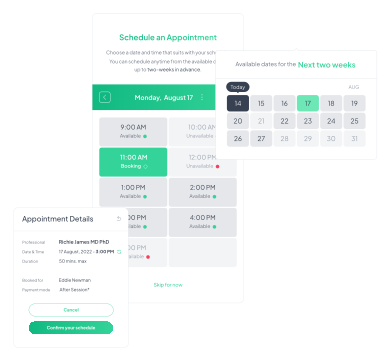
Setting an Appointment
Although setting an appointment right after signing up is not required, it is highly encouraged to do so. Don’t worry, scheduling an appointment is only a few clicks away with our intuitive scheduling calendar. You can schedule appointments 2-weeks in advance giving you time to prepare for the meeting.
Ready to take the first step towards a calmer, more balanced life?
At MeTime Healing, we are more than just a service provider – we are a community. Join us and connect with others who are also managing anxiety. Share experiences, gain insights, and support each other in creating a healthier, happier life.
Get StartedReady to take the first step towards a calmer, more balanced life?
At MeTime Healing, we are more than just a service provider – we are a community. Join us and connect with others who are also managing anxiety. Share experiences, gain insights, and support each other in creating a healthier, happier life.
Get StartedFrequently asked questions
These answers offer a starting point for managing anxiety. For more detailed advice tailored to your individual circumstances, please consult with a wellness provider by making an appointment with one of our providers.



© 2026 MeTime Healing. All rights reserved.